

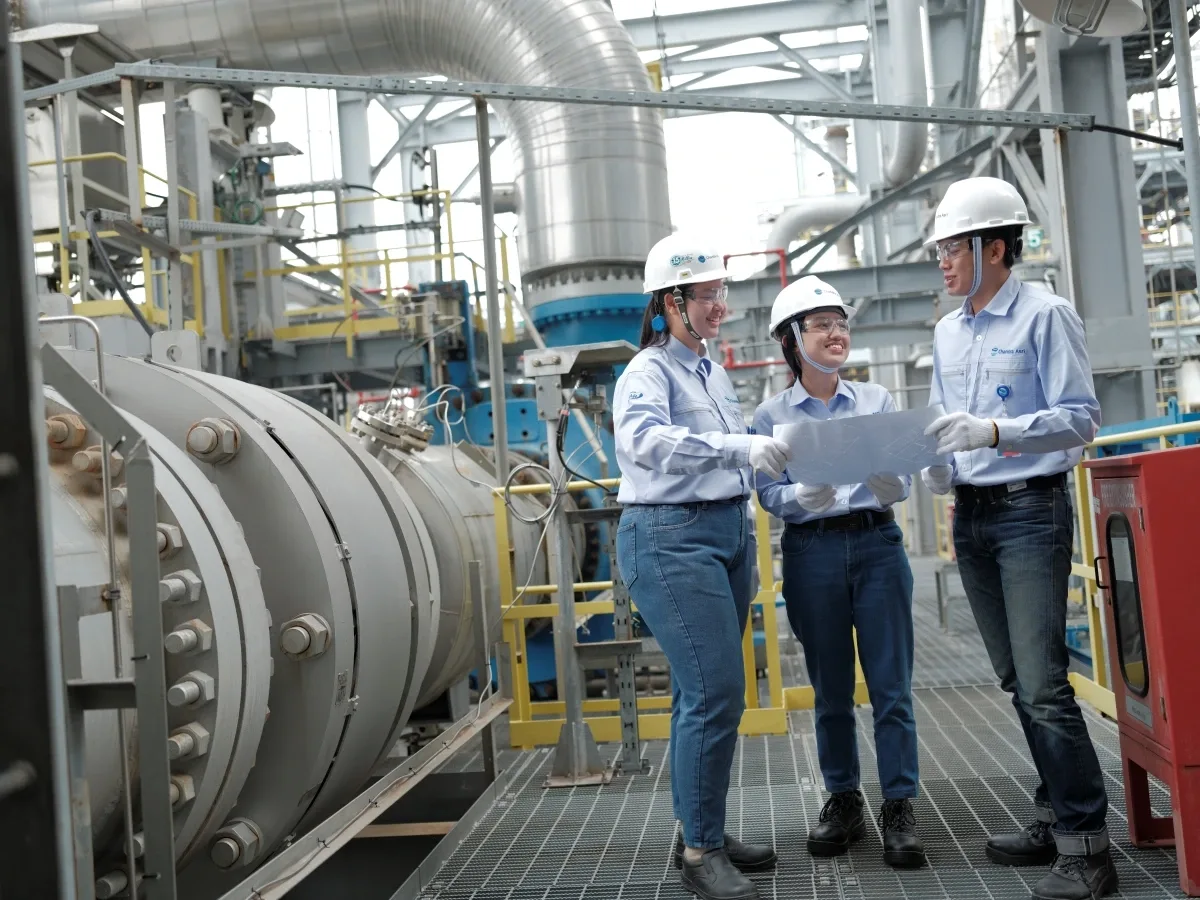
The history of human civilization is, in many ways, a history of industrial advancement. From the earliest tools made from stone to the towering skyscrapers of today, industry has played a pivotal role in shaping the world as we know it. It is not merely a collection of factories, machines, and production lines; rather, it is the very engine that drives economies, societies, and technological progress. But what is “industry” in its truest sense? More than just a sector of the economy, it is a cultural force, a transformative entity, and the backbone of modern life. This article will explore the evolution of industry, its multifaceted impact on our daily lives, and the profound consequences it continues to have on the global stage.
The Rise of Industrialization
The story of industry begins in earnest during the late 18th century, with the dawn of the Industrial Revolution. Prior to this transformative period, economies were largely agrarian, and production was decentralized, with most goods being made by hand in small workshops or at home. The introduction of mechanized production changed everything. With the invention of steam engines, spinning jennies, and power looms, mass production became not only possible but efficient.
The shift from handcraft to machine-driven labor marked the beginning of a new era. It allowed goods to be produced faster, cheaper, and in far greater quantities. This revolution did not merely change the process of manufacturing; it altered the very structure of society. The rise of factories led to the growth of urban centers as people moved from rural areas in search of work. Cities became the nexus of industry, and with this urbanization came the emergence of a new working class, one that would forever alter the social fabric.
While the early days of industrialization were often marred by harsh working conditions, long hours, and exploitation, these challenges eventually led to the rise of labor unions and the push for workers’ rights. The industrial revolution laid the foundation for many of the labor protections and regulations we now take for granted, such as minimum wage laws, workplace safety standards, and the eight-hour workday.
The Technological Leap: Automation and the Information Age
As the 20th century unfolded, industry evolved in tandem with technological advancements. The advent of electricity, assembly lines, and sophisticated machinery led to further leaps in production capabilities. However, it was the latter half of the century that witnessed the most profound transformation, with the advent of computers, automation, and the information age.
Automation, once limited to mechanical devices in factories, became the cornerstone of modern manufacturing. The use of computers to control machinery, monitor production lines, and optimize supply chains revolutionized entire industries. Car manufacturers, for example, were able to produce vehicles at a rate previously unimaginable, while simultaneously reducing costs and improving quality. This new era of production was not only about efficiency; it was about precision, flexibility, and adaptability.
But perhaps the most transformative shift in industry came with the rise of information technology. The creation of the internet and the proliferation of personal computers and smartphones gave rise to entirely new industries. Software development, digital marketing, and e-commerce became major economic forces, and industries as diverse as retail, healthcare, and finance were irrevocably altered by the advent of the digital age. Companies like Apple, Amazon, and Google became synonymous with technological innovation, and their influence reached into every facet of modern life.
In many ways, this digital revolution has blurred the lines between traditional manufacturing and the service industry. The so-called “knowledge economy” has emerged, where intellectual capital and data are just as valuable, if not more so, than physical goods. The ability to access, analyze, and act on vast quantities of data has become a critical component of business strategy, and industries worldwide are increasingly investing in AI, machine learning, and other forms of digital innovation.
Globalization and the Changing Nature of Industry
In the globalized world of the 21st century, industry is no longer confined to national borders. The expansion of global trade, coupled with the rise of multinational corporations, has created a new, interconnected world economy. Manufacturing processes are now often spread across multiple countries, with different stages of production occurring in various regions to take advantage of comparative advantages like lower labor costs or access to specific raw materials.
This globalization has created both opportunities and challenges. On one hand, companies can now access new markets, reduce production costs, and benefit from the efficiencies of global supply chains. On the other hand, it has led to increased competition, with companies facing pressure to reduce costs, often by outsourcing jobs to countries with cheaper labor. In some industries, such as textiles and electronics, this has led to the decline of domestic manufacturing in developed countries, while simultaneously lifting millions out of poverty in emerging markets.
However, globalization has also resulted in the creation of new challenges, particularly in terms of sustainability and ethics. The environmental impact of mass production, coupled with the increasing demands of global consumption, has raised serious questions about the sustainability of current industrial practices. The need for more efficient use of resources, the reduction of waste, and the shift to renewable energy sources has never been more pressing. Industry, it seems, is at a crossroads, where technological innovation must meet the demands of environmental stewardship.
The Future of Industry: Sustainability and Innovation
Looking to the future, the trajectory of industry seems poised for further dramatic change. One of the most significant areas of focus is sustainability. The effects of climate change, resource depletion, and pollution have brought the issue of environmental sustainability to the forefront of industrial innovation. Green technologies, such as renewable energy, electric vehicles, and energy-efficient manufacturing processes, are rapidly gaining traction.
At the same time, industries are increasingly recognizing the need for circular economies—systems that emphasize recycling, reusing, and reducing waste. This move towards more sustainable practices is not merely driven by regulation or ethical considerations; it is also a response to consumer demand. People today are more conscious of the environmental and social impacts of the products they purchase. As a result, businesses are being pushed to adopt more responsible practices or risk losing their competitive edge.
Moreover, the integration of artificial intelligence and machine learning into industrial processes promises to further revolutionize the way goods are produced. With the help of AI, manufacturers can achieve greater levels of precision, reduce errors, and predict maintenance needs before they result in costly downtimes. Similarly, the development of autonomous systems and robotics will continue to reshape industries by reducing labor costs and increasing productivity.
Conclusion: Industry as a Pillar of Modern Civilization
Industry is not just a sector of the economy; it is the engine that powers modern civilization. From the steam engines of the Industrial Revolution to the artificial intelligence that drives today’s factories, industry has shaped every aspect of our lives. It has created wealth, transformed societies, and sparked technological innovation. However, it has also brought with it significant challenges, particularly in terms of environmental impact and social inequality.
As we look ahead to the future, the challenge will be to balance the drive for innovation and economic growth with the need for sustainability and social responsibility. The industries of tomorrow will need to be smarter, greener, and more inclusive. In this way, the next phase of industrial evolution will not just be about increasing productivity—it will be about ensuring that industry serves the broader interests of humanity and the planet. In this sense, industry remains the key to not only economic prosperity but also a sustainable and equitable future.
